
Bonsai Gift Guide: How to Avoid a Disappointing ‘Dead Tree’
A practical bonsai gift guide to choose the right tree, avoid beginner mistakes, and include the essentials for easy care and long-term success.
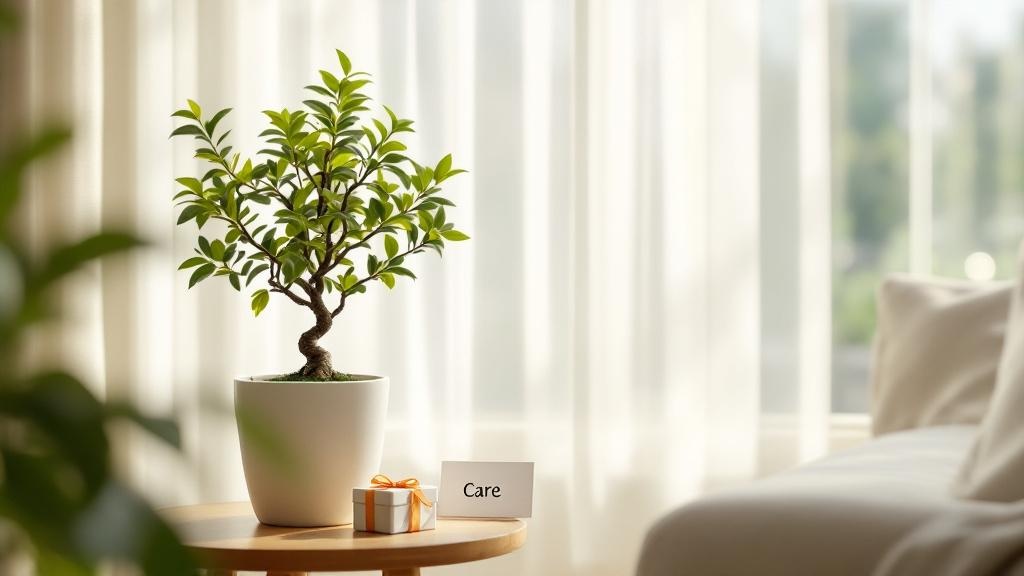
Why bonsai gifts fail (and how to prevent the classic “dead tree” moment)
A bonsai is a memorable, living gift—but it’s also where many beginner mistakes happen. Most “dead tree” stories come from mismatch: an outdoor species gifted to an apartment dweller, a light-hungry tree placed in a dim corner, or a recipient who doesn’t realize bonsai care is closer to pet ownership than décor. When the tree declines, the buyer feels they wasted money and the recipient feels guilty—exactly what a thoughtful gift shouldn’t create.
This gift guide focuses on a simple principle: match the tree to the recipient’s real life. Indoor-friendly species are often the safest for urban houseplants collectors, while outdoor bonsai can thrive with the right climate and a recipient who enjoys seasonal routines. At CalmCanopy Bonsai, we build this into guided selection (indoor/outdoor, climate, difficulty), so gift-buyers aren’t guessing. The goal isn’t to make bonsai “hard”—it’s to make the right first choice so survival rates go up and the gift becomes a long-term hobby, not a short-lived disappointment.
The pre-gift checklist: lifestyle, light, climate, and pet safety
Before you buy, run a quick care planning checklist. First: where will it live—indoors year-round, or outdoors with seasons? For indoor gifts, choose beginner-friendly houseplants-style species (like ficus) that tolerate typical home humidity and imperfect routines. For outdoor gifts, confirm the recipient has a balcony/yard and a climate that matches the tree’s needs—cold-hardy species can’t be treated like indoor décor, and tropical species can’t sit outside in a Midwest winter.
Next: light and schedule. Ask, “Do they have a bright window?” and “Will they water consistently?” This is where many bonsai gifts go wrong: buyers pick the prettiest tree, not the livable one. Also consider pets and placement—some households prefer extra caution with curious cats or dogs. Finally, set expectations in the card: bonsai are living trees, not preserved miniatures. A clear note about weekly checks, seasonal growth, and the learning curve prevents confusion and keeps your gift guide promise: a gift that lasts.
What to include with the tree: bundles, care notes, and first-month support
A bonsai gift shouldn’t be “tree only.” The fastest path to success is a species-matched starter kit: the right soil mix, a proper pot (if repotting is appropriate), pruning shears, wire (optional for true beginners), and measured fertilizer. Bundling eliminates the most expensive beginner mistakes—like using regular potting soil, over-fertilizing, or repotting at the wrong time. It also makes gifting easier: one checkout, one box (or pickup), and everything the recipient needs to start confidently.
Include simple, confidence-building care notes. A one-page care card plus a first-week checklist (light placement, watering test, what “normal” leaf drop looks like after a move) turns anxiety into action. CalmCanopy Bonsai reinforces this with automated follow-ups and a 30-day support channel, so the recipient can ask questions before small issues become fatal. End your care planning with a future-friendly touch: replenishable fertilizer or soil refills. That’s how great bonsai gifts become a thriving hobby—supported, not abandoned.
Why bonsai gifts fail (and how to prevent the classic “dead tree” moment)
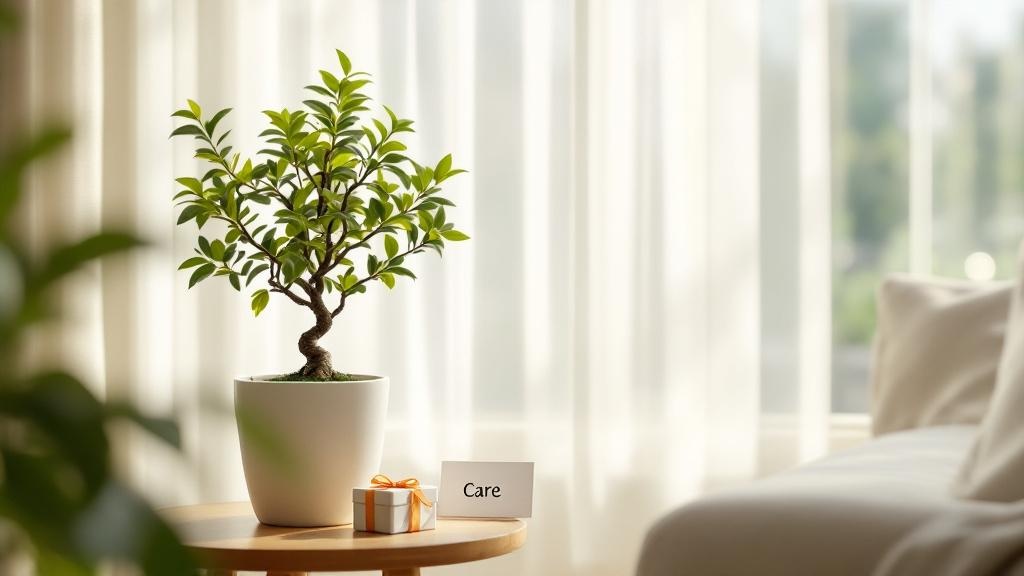
A bonsai is a memorable, living gift—but it’s also where many beginner mistakes happen. Most “dead tree” stories come from mismatch: an outdoor species gifted to an apartment dweller, a light-hungry tree placed in a dim corner, or a recipient who doesn’t realize bonsai care is closer to pet ownership than décor. When the tree declines, the buyer feels they wasted money and the recipient feels guilty—exactly what a thoughtful gift shouldn’t create.
This gift guide focuses on a simple principle: match the tree to the recipient’s real life. Indoor-friendly species are often the safest for urban houseplants collectors, while outdoor bonsai can thrive with the right climate and a recipient who enjoys seasonal routines. At CalmCanopy Bonsai, we build this into guided selection (indoor/outdoor, climate, difficulty), so gift-buyers aren’t guessing. The goal isn’t to make bonsai “hard”—it’s to make the right first choice so survival rates go up and the gift becomes a long-term hobby, not a short-lived disappointment.
The pre-gift checklist: lifestyle, light, climate, and pet safety
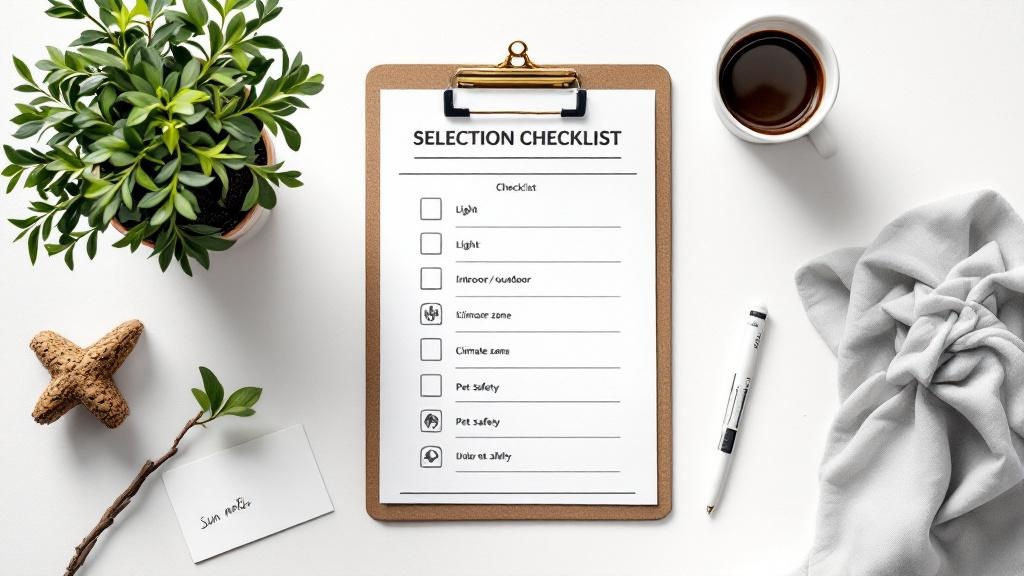
Before you buy, run a quick care planning checklist. First: where will it live—indoors year-round, or outdoors with seasons? For indoor gifts, choose beginner-friendly houseplants-style species (like ficus) that tolerate typical home humidity and imperfect routines. For outdoor gifts, confirm the recipient has a balcony/yard and a climate that matches the tree’s needs—cold-hardy species can’t be treated like indoor décor, and tropical species can’t sit outside in a Midwest winter.
Next: light and schedule. Ask, “Do they have a bright window?” and “Will they water consistently?” This is where many bonsai gifts go wrong: buyers pick the prettiest tree, not the livable one. Also consider pets and placement—some households prefer extra caution with curious cats or dogs. Finally, set expectations in the card: bonsai are living trees, not preserved miniatures. A clear note about weekly checks, seasonal growth, and the learning curve prevents confusion and keeps your gift guide promise: a gift that lasts.
What to include with the tree: bundles, care notes, and first-month support
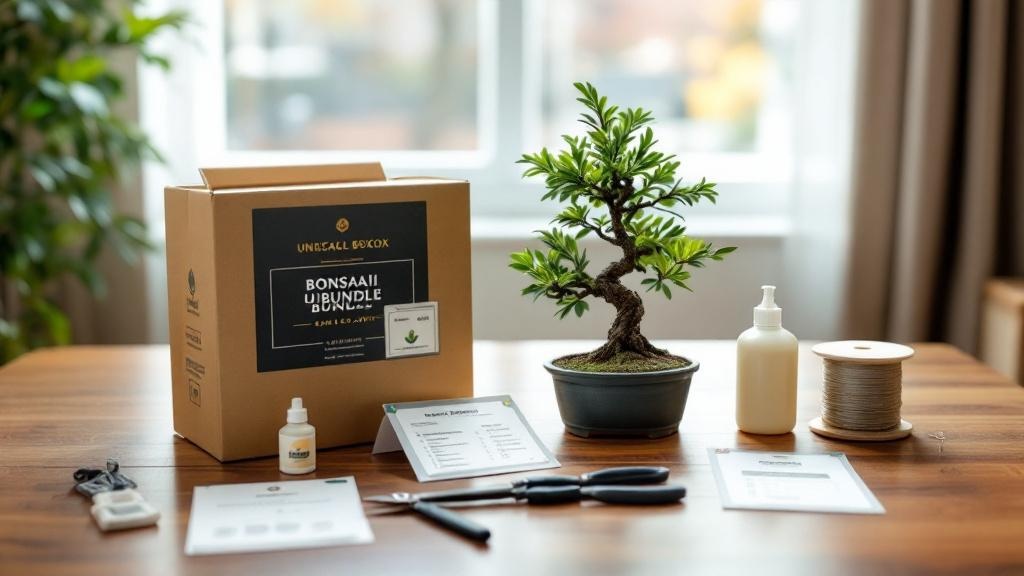
A bonsai gift shouldn’t be “tree only.” The fastest path to success is a species-matched starter kit: the right soil mix, a proper pot (if repotting is appropriate), pruning shears, wire (optional for true beginners), and measured fertilizer. Bundling eliminates the most expensive beginner mistakes—like using regular potting soil, over-fertilizing, or repotting at the wrong time. It also makes gifting easier: one checkout, one box (or pickup), and everything the recipient needs to start confidently.
Include simple, confidence-building care notes. A one-page care card plus a first-week checklist (light placement, watering test, what “normal” leaf drop looks like after a move) turns anxiety into action. CalmCanopy Bonsai reinforces this with automated follow-ups and a 30-day support channel, so the recipient can ask questions before small issues become fatal. End your care planning with a future-friendly touch: replenishable fertilizer or soil refills. That’s how great bonsai gifts become a thriving hobby—supported, not abandoned.